

Relocating to Saratoga County from NYC or Downstate: What to Expect
The three things downstate buyers most consistently get wrong are property taxes, the car assumption, and the train. Your money buys dramatically more house here, but Capital Region property and school taxes are substantial and you will not inherit the seller's exemptions. You will need a car — probably two. And while Saratoga Springs has direct Amtrak service to Penn Station, it is only a couple of trains a day and roughly four hours each way. It is not a commute.
If you are moving from New York City, Westchester, or Long Island, here is what actually changes.
What Your Money Buys
This is usually the pleasant surprise, and it is real.
Saratoga County's median sale price has recently run in the high $400,000s countywide. Saratoga Springs sits substantially above that; Ballston Spa, Mechanicville, Stillwater, and the northern towns sit below.
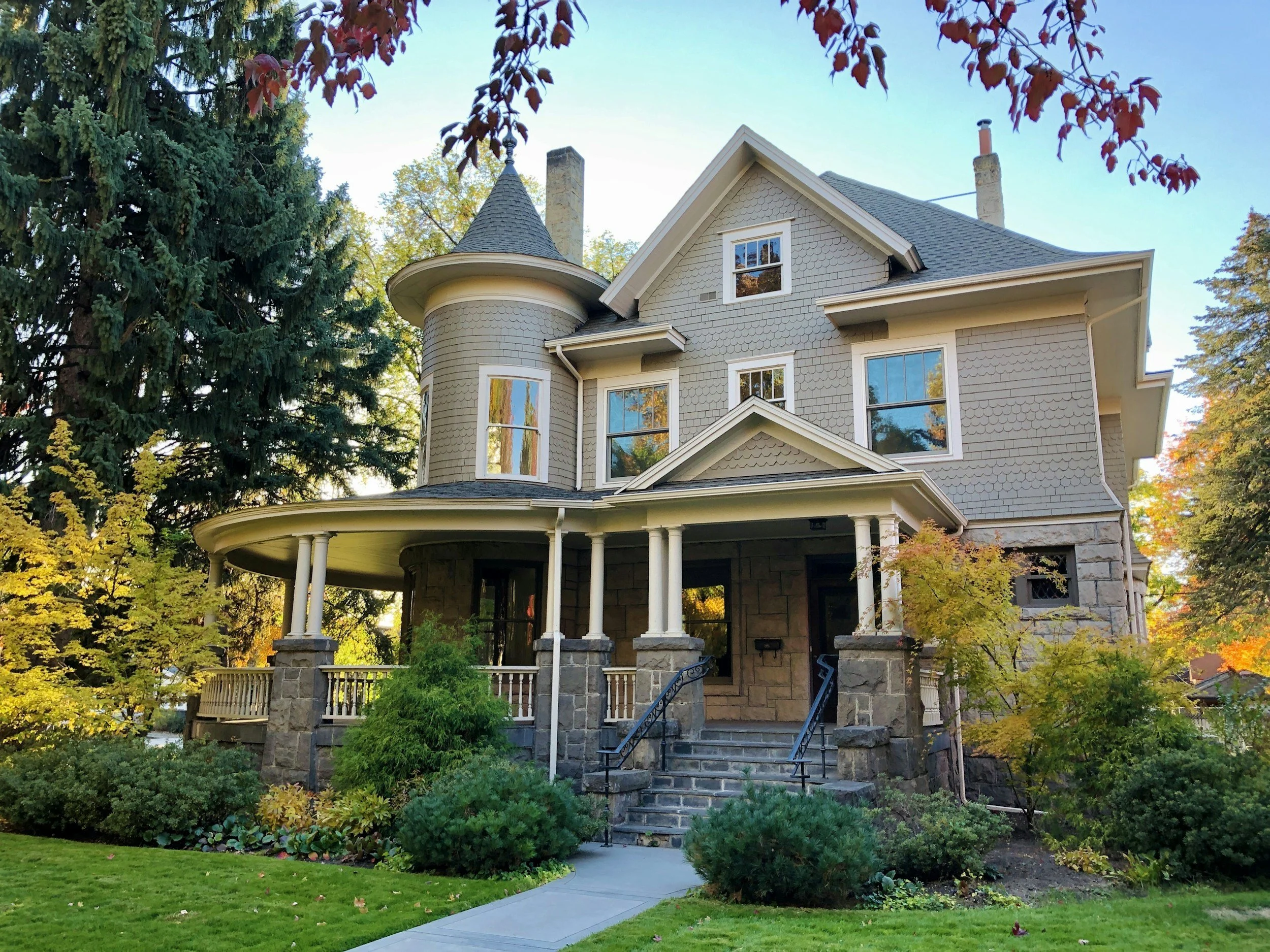
Against downstate pricing, that generally means a detached single-family house with a yard, a garage, and space that would be unattainable at the same number in most of the metro area. Buyers frequently find they can move up in size and down in monthly cost simultaneously.
But run the whole number, not just the price.
Property Taxes: The Thing That Surprises People
Downstate buyers often arrive expecting relief from high taxes and find something more complicated.
You will receive two separate bills. School taxes, typically billed in September, and county/town/city taxes, typically in January. If you buy in an incorporated village — Ballston Spa, Round Lake, Schuylerville, and others — a third village bill.
You will not inherit the seller's exemptions. STAR, senior, and veterans exemptions do not transfer. A retired seller may have been paying dramatically less than you will on the identical property. Look at the actual bills and ask what exemptions the seller holds.
You must register for STAR yourself. New York's School Tax Relief credit reduces school taxes for owner-occupied primary residences, but new buyers must register with the New York State Tax Department at tax.ny.gov/star. New homeowners can only get the credit, not the older exemption, which closed to new applicants. Do it promptly after closing.
Assessments can change after a sale. Do not assume your bill matches the seller's.
The upshot: your total monthly cost may be far lower than downstate, but the tax line will not be trivial, and it needs to be in your mortgage math from the beginning. Lenders escrow taxes, so this directly affects what you qualify for.
The Car Situation
If you are coming from Manhattan or Brooklyn without a car, plan on buying one before or immediately after you arrive.
Saratoga County is a driving county. Saratoga Springs proper is genuinely walkable — you can live downtown and walk to restaurants, Congress Park, and daily errands — but almost everywhere else requires a car, and most households run two.
There is regional bus service through CDTA, but coverage and frequency are not comparable to what you are used to. Winter driving is a real skill, and an all-wheel-drive vehicle with proper tires is worth considering.
Factor car payments, insurance, fuel, and maintenance into your relocation budget. For households going from zero cars to two, this can offset a meaningful share of the housing savings.
About the Train
Saratoga Springs has its own Amtrak station, which sounds better than it functions for commuting purposes.
The trip to Penn Station runs roughly four hours, with the fastest scheduled service closer to just under four. Service is limited — generally a couple of departures daily in each direction, on the Ethan Allen Express and Adirondack routes.
This is workable for occasional travel. It is not a commute.
If you need to be in the city regularly, the more practical option is driving to Albany-Rensselaer, which is one of Amtrak's busier stations with far more frequent Empire Service departures — around a dozen daily round trips to New York City — and a shorter ride. Albany-Rensselaer is roughly 40 minutes from Saratoga Springs.
Albany International Airport is about 30 to 40 minutes from most of the county, with connections to major hubs.
If your job requires being physically present downstate more than occasionally, be honest about that before you buy. People who assumed they would do it weekly often discover they will not.
Where People Actually Land
Downstate buyers tend to sort into a few patterns:
Saratoga Springs proper for people who want walkability and are willing to pay for it — the closest thing in the county to an urban experience, with a year-round downtown that most Capital Region communities cannot sustain.
Clifton Park and Halfmoon for people commuting to Albany, which is roughly 20 to 30 minutes.
Wilton for proximity to Saratoga Springs without city pricing.
Malta for newer construction, and for those working at the Luther Forest Technology Campus.
Ballston Spa and the outlying towns for lower price points and more land.
Spend time in each before deciding. The towns differ more than a map suggests, and buyers regularly arrive certain about one and buy in another.
Practical Differences Nobody Mentions
Well and septic. Large parts of the county are not on municipal water and sewer. If you have only ever lived on municipal service, this is a genuine adjustment — separate inspections when buying, and ongoing maintenance afterward.
Older housing stock. Saratoga Springs and Ballston Spa have substantial pre-1940 inventory. Beautiful, and requiring different inspection scope — knob-and-tube wiring, in particular, can affect insurability.
Winter is long. Snow removal is your responsibility. Heating costs are real. This is not the Hudson Valley.
Attorney-driven closings. New York transactions are attorney-driven statewide, so this part will feel familiar if you have bought downstate. Attorney fees here are typically lower.
Mansion tax still applies. The 1% tax on purchases of $1 million or more is statewide, not a downstate-only feature.
Track season changes the city. Mid-July into early September, Saratoga Springs gets significantly busier — traffic, parking, restaurant waits. Some residents love it, some leave. Visit during the meet before buying downtown.
School district lines cross town lines. Verify assignment directly with the district for any specific address.
A Suggestion
If you can, rent for a season before buying.
Not because buying is a mistake, but because the towns here differ meaningfully and it is hard to know from a weekend visit whether you want walkable downtown, a Clifton Park commute, or five acres in Greenfield. A year of renting is cheap relative to buying in the wrong place.
If renting is not practical, at minimum visit in more than one season. Saratoga in August and Saratoga in February are different propositions.
Frequently Asked Questions
Can you commute from Saratoga Springs to New York City? Not practically on a daily basis. Amtrak runs roughly four hours each way with limited daily service. Occasional travel is workable; regular commuting is not.
How far is Saratoga Springs from Albany? Roughly 35 to 45 minutes by car via I-87, depending on traffic. Clifton Park and Halfmoon are closer, around 20 to 30 minutes.
Are property taxes lower in Saratoga County than downstate? Total tax bills are generally lower than in the downstate metro area, but they are still substantial and are a meaningful part of monthly cost. Seller exemptions do not transfer, so verify actual bills.
Do I need a car in Saratoga Springs? Downtown Saratoga Springs is walkable for daily needs. Elsewhere in the county, yes — and most households have two.
What is the best town for someone moving from NYC? It depends on what you are optimizing for. Saratoga Springs for walkability, Clifton Park or Halfmoon for Albany commuting, Wilton for proximity at lower cost, Malta for newer construction.
Is there an airport nearby? Albany International Airport is roughly 30 to 40 minutes from most of the county.
Should I rent first? If you can, yes. The towns differ enough that a season of renting often prevents an expensive mismatch.
We Work With Relocating Buyers Regularly
A lot of our clients are moving here from downstate or out of state. We are glad to spend a day showing you the differences between towns before you narrow anything down — and to tell you honestly when a place will not suit what you are describing.
The Frith Team | Christine Frith and Joseph Frith Coldwell Banker Prime Properties 83 Railroad Plaza, Suite 102 Saratoga Springs, NY(518) 928-9923
General information only. Property characteristics, tax rates, transit schedules, and district boundaries change — verify all details independently. Equal Housing Opportunity. The Frith Team and Coldwell Banker Prime Properties comply fully with the federal Fair Housing Act and the New York State Human Rights Law.