

Buying an Older Home in Saratoga Springs: What to Look For
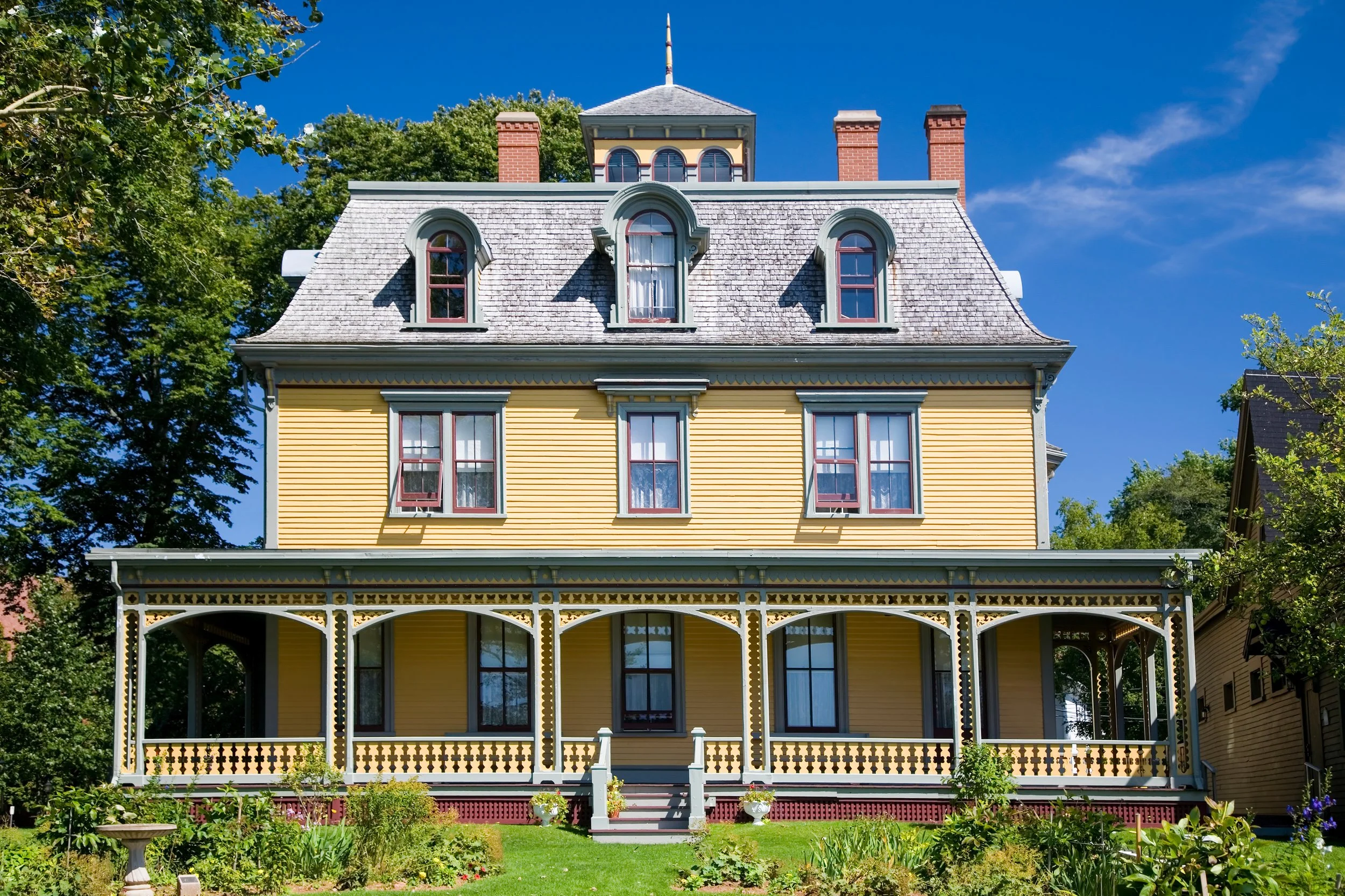
The three things that most often derail a pre-1940 purchase are electrical systems, water intrusion, and heating. Knob-and-tube wiring is the biggest single issue, because it affects insurability — some carriers will not write a policy on a home with active knob-and-tube, and no insurance means no mortgage. Check this before you fall in love with the house, not after inspection.
Saratoga Springs has one of the best collections of Victorian and early-1900s housing in Upstate New York. These homes are worth buying. They just require a different kind of attention than a 2015 build.
Why This Matters Here Specifically
Much of Saratoga Springs' housing stock predates 1940 — concentrated near Union Avenue, in Franklin Square, on the East Side, and along North Broadway. Ballston Spa's village core is similar in age.
That housing is the reason many people want to live here. It also means a home inspection covers different ground, financing can behave differently, and the maintenance budget looks different from a suburban colonial in Clifton Park.
None of this is a reason to avoid old houses. It is a reason to go informed..
Electrical: Check This First
Knob-and-tube wiring was standard until roughly the 1930s and 1940s. It is not inherently dangerous when undisturbed and properly maintained, but it has real problems: no ground wire, deteriorating insulation after a century, and — critically — it is not designed to be buried in insulation, which is exactly what happens when owners insulate an old attic.
The financing issue is what catches buyers. Some insurance carriers decline to write policies on homes with active knob-and-tube. Others require remediation within a set window. If you cannot get insurance, you cannot get a mortgage. This can surface late in a transaction and kill it.
What to do:
Ask the listing agent early whether knob-and-tube is present and whether it is active
Contact an insurance agent before your inspection contingency expires, describing the home honestly
Get a licensed electrician's estimate for remediation if it is present
Look at panel capacity too — many older homes have 60- or 100-amp service that is inadequate for modern use
Also worth checking: whether prior electrical work was permitted. Unpermitted work creates its own problems at closing.
Water: The Other Big One
Old foundations in this climate see water. Stone and rubble foundations, common in the oldest Saratoga homes, are porous by nature.
What to look for:
Efflorescence — white mineral deposits on foundation walls
Staining lines suggesting past standing water
Musty smell, particularly in finished basements where it may be masked
Grading that slopes toward the house
Downspouts discharging at the foundation
Sump pump presence, and whether it has a battery backup
Some basement moisture in a 130-year-old house is normal and manageable. Active structural water intrusion is not. An inspector can distinguish them; a buyer walking through on a dry August afternoon usually cannot.
Remember also that New York's amended disclosure form now asks sellers directly about flood history, water penetration, and flood insurance. Read those answers carefully.
Heating and Systems
Older Saratoga homes often have:
Steam or hot-water radiator systems. Frequently excellent and long-lived, but expensive to repair and needing specialists. Ask the age of the boiler.
Converted systems. Homes originally built for coal, converted over decades. Ask what the conversion history is.
Oil tanks, sometimes buried and forgotten. An abandoned underground storage tank is an environmental liability that transfers with the property. Ask directly.
Minimal or no ductwork, which makes adding central air expensive.
Original single-pane windows, often historically significant and sometimes protected by district rules. Restoration is usually better than replacement, and usually costs more.
Structure and Materials
Plaster, not drywall. Cracking is normal with seasonal movement. Extensive cracking in a consistent pattern may indicate settlement worth evaluating.
Lead paint. Federal law requires disclosure for pre-1978 homes, along with the EPA pamphlet and a ten-day testing opportunity. Nearly every home in the historic neighborhoods qualifies. Relevant particularly if you have young children or plan renovation.
Asbestos. Common in pipe insulation, floor tile, and siding of certain eras. Generally safe if undisturbed and intact; a problem when renovating.
Original wood floors under carpet more often than buyers expect. Worth asking about.
Foundation and sill condition. Where old houses genuinely fail. A structural engineer's evaluation is worth the cost when an inspector flags anything.
Historic District Considerations
Portions of Saratoga Springs fall within historic district review, which can affect exterior alterations — windows, siding, porches, additions, and sometimes paint colors.
If you intend to change the exterior, confirm the property's status and the applicable review process before you make an offer. This is not a reason to avoid these homes, but it is a reason not to assume you can replace the windows next spring.
What to Do Differently as a Buyer
Hire an inspector experienced with old houses. This is not a generic recommendation. An inspector who mostly works on 1990s subdivisions will miss things, and may also flag normal old-house characteristics as alarming.
Add specialists where warranted. Structural engineer, electrician, chimney sweep, and — for anything with a fireplace — a chimney inspection, which general inspections cover only superficially.
Call an insurance agent early. Before your contingency expires. This single step prevents the most common late-stage collapse.
Budget realistically. Older homes generally need more maintenance than newer ones, and it arrives unevenly.
Distinguish character from defect. Slightly out-of-level floors in a house built in 1895 are usually settled and stable, not failing. Sticking doors, plaster cracks, and gentle slopes are often just age. What matters is whether movement is active.
Get the permit history. Ask the city about permits and any open items. Unpermitted work surfaces during attorney review and complicates financing and title.
What You Get in Return
Worth stating plainly, because the list above reads as a warning.
These homes were built with materials and craftsmanship that would be prohibitively expensive to reproduce — old-growth lumber, plaster, millwork, hardware, and proportions that modern construction does not attempt. They sit in walkable neighborhoods close to Broadway, Congress Park, and the track. And there is a durable buyer market for them, which supports resale.
A well-maintained old house in Saratoga Springs is not a compromise. It is a different asset with a different care model.
Frequently Asked Questions
Can you get a mortgage on a house with knob-and-tube wiring? Usually, but the obstacle is insurance rather than the lender. Some carriers decline coverage or require remediation. Without insurance, financing cannot close. Check with an insurance agent early.
Is knob-and-tube wiring dangerous? Undisturbed and properly maintained, it functions. Risks come from deteriorated insulation, being buried in attic insulation, and lack of grounding. Have a licensed electrician evaluate it.
Do I need a special inspector for an old house? Strongly recommended. Experience with pre-war construction changes both what gets found and what gets correctly identified as normal.
Is a wet basement a deal-breaker in an old Saratoga home? Not necessarily. Some moisture in a century-old stone foundation is common. Active structural intrusion is a different matter — have it evaluated rather than guessing.
Can I replace the windows on a historic Saratoga Springs home? It depends on whether the property is subject to historic district review. Confirm the property's status and the review process before assuming.
What is the biggest unexpected cost with old houses here? Electrical remediation and heating system replacement, followed by foundation and water management work.
We Know These Houses
Joe's background in construction means we walk these homes differently — we will tell you what we are seeing as we go, and what deserves a specialist's look before you commit.
The Frith Team | Christine Frith and Joseph Frith Coldwell Banker Prime Properties 83 Railroad Plaza, Suite 102 Saratoga Springs NY (518) 928-9923
General information only. Observations made during a showing are not a substitute for a professional home inspection, structural engineering evaluation, or licensed contractor assessment. Always obtain professional inspections before purchasing.